Petals, Tides, & Tunes
April 6 – May 12, 2026
D.C. cherry blossoms, Atlantic lighthouses, Gulf emerald water, and Nashville neon — 36 days chasing spring south and music north.
Gallery
Washington, D.C.
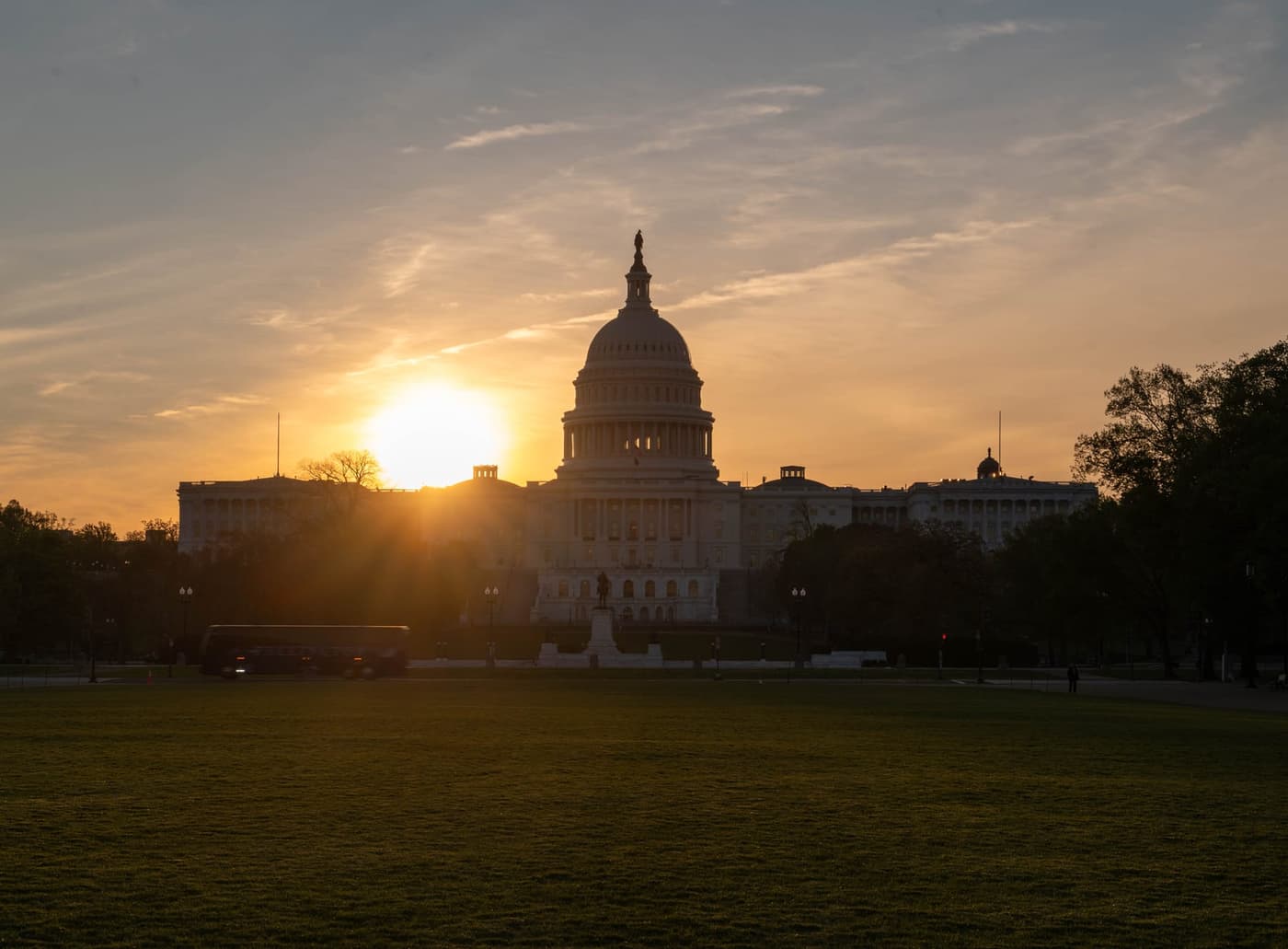
Spring in D.C., worked mostly after dark. The marble warms under the floodlights, the monuments empty out, and the city finally sits still long enough to photograph. Most cities settle into their evening; D.C. lights up.
7 images · © 2026 A Boundless Journey. All rights reserved.
Annapolis & Norfolk
Two harbor towns on the way south — both built around the water that defines them. Annapolis is colonial scale held through three centuries: brick streets, the Maryland State House dome at the head of Main Street, sailboats at the City Dock, and the sea-light that only happens where the Chesapeake meets the sky. Norfolk, four hours further down the bay, is the working version of the same idea — a deep-water Navy town where battleships and aircraft carriers move through the Elizabeth River, and the waterfront has been industrial since the eighteenth century. The pair makes a quiet bridge between the cherry blossoms behind us and the Atlantic ahead.
4 images · © 2026 A Boundless Journey. All rights reserved.
Northern Outer Banks
The barrier islands narrow and thin out as you drive south from Corolla. Currituck Beach Lighthouse stands in a maritime forest of live oaks; the wild Spanish mustangs that descend from sixteenth-century shipwrecks still roam the dunes north of the pavement. Past Duck and Kitty Hawk, Jennette's Pier extends a thousand feet into the Atlantic at Nags Head — at sunrise the sky burns orange behind it and the whole coast goes silent. Bodie Island Lighthouse sits in marshland between sound and sea, two black bands cut into white brick, the only one of its kind on the Carolina coast. This stretch is what the Outer Banks were before they became a destination.
9 images · © 2026 A Boundless Journey. All rights reserved.
Ocracoke & the Sound
Sixteen miles of beach, a forty-minute ferry ride, and a village that the bridges never reached. Ocracoke Island sits at the southern end of the northern Banks like a punctuation mark — a place you have to mean to go to. The lighthouse is short, white, and steady. The working docks are lined with wooden skiffs, oyster shacks, and weathered pilings catching the last of the day's light. Behind the village the sound goes on for miles, broken only by single pilings and marsh creeks holding the sky. There is nowhere else on the Atlantic coast quite like it.
4 images · © 2026 A Boundless Journey. All rights reserved.
Kure Beach
South of Wilmington the Cape Fear peninsula narrows to a finger of beach towns — Carolina Beach, Kure Beach, Fort Fisher — where the Atlantic meets the river that gives the cape its name. Kure Beach sits halfway down, anchored by one of the oldest wooden fishing piers on the East Coast and the quiet seawalls of Fort Fisher just to the south. The beach is wide and the dunes are wild — protected sea oats, brown pelicans, and the kind of slow-paced coastal town that has somehow held its character through three generations of growth around it.
2 images · © 2026 A Boundless Journey. All rights reserved.
Charleston
The peninsula sits between two rivers and three centuries of itself — the oldest standing brick streets in America, palmetto-lined battery walls, ironwork forged a generation before the country existed. Sullivan's Island Lighthouse rises across the harbor, the only triangular tower on the Atlantic coast, watching Fort Sumter and the channel where the Civil War began. The Ravenel Bridge cuts a clean white line over the Cooper River; container ships move up the channel from open ocean to working port, and the light at sunset turns the harbor pink against the lighthouse's stark black-and-white face. Charleston is the rare American city where the past has not been replaced — only added to.
5 images · © 2026 A Boundless Journey. All rights reserved.
Isle of Palms
North of Sullivan's Island, the barrier chain widens into something quieter — a long, broad strand of white beach, sea oats, and stilted beach houses catching the coastal wind. The pier reaches into the open Atlantic at the island's north end, and the salt marsh of the Intracoastal cuts it cleanly from the mainland. Where Sullivan's wears the weight of fort and lighthouse, Isle of Palms wears its lightness as a feature — quieter, broader, the part of the Charleston coast that simply faces the sea.
2 images · © 2026 A Boundless Journey. All rights reserved.
Take this journey home
Selected images from this journey are available as fine-art prints — museum-quality, fulfilled by Prodigi, shipped worldwide.
View Prints